

Shoe-Export

Sustainability in Footwear Exports: The Future of Responsible Manufacturing

Sustainability is no longer a buzzword—it’s a defining force in global trade. For the footwear export industry, this shift represents both a challenge and an opportunity. From ethical sourcing to eco-friendly packaging, sustainability is reshaping how brands and manufacturers operate.


Why Sustainability Matters in Footwear Exports

Global consumers increasingly demand transparency and responsibility. Exporters who embrace sustainable practices not only meet regulations but also earn trust, opening doors to new markets and long-term growth.


Key Areas of Sustainable Footwear Practices

Ethical Sourcing of Materials

Brands are moving away from harmful raw materials, choosing recycled leather, bio-based PU, and organic textiles to reduce their footprint.

Energy-Efficient Manufacturing

Factories are adopting cleaner energy, reducing water usage, and minimizing chemical waste—lowering environmental impact across production.

Fair Labor and Compliance

Sustainability extends beyond the environment. Ethical labor standards and compliance ensure safe, fair working conditions in global supply chains.

Eco-Friendly Packaging & Shipping

From recyclable packaging to optimized logistics, every step counts in reducing emissions and waste during exports.


Market Trends Driving Sustainability

  • Growing preference for eco-certified products
  • Stricter global regulations on sourcing and production
  • Consumer demand for transparency and traceability
  • Rising investment in sustainable R&D and innovation

The Future of Sustainable Footwear Exports

The future lies in innovation and responsibility. Exporters that invest in R&D, eco-materials, and transparent practices will not only stay compliant but also gain a competitive edge in an increasingly conscious global market.


Conclusion

Sustainability is not a trend—it’s the future of footwear exports. Companies that embrace ethical practices, eco-friendly production, and innovation today will shape the industry of tomorrow.


FAQs

Q1: What makes footwear exports sustainable?

Using eco-materials, ethical labor practices, and eco-friendly packaging makes exports sustainable.

Q2: Why is sustainability important in global trade?

It ensures compliance with regulations, builds consumer trust, and improves long-term market opportunities.

Q3: Can sustainable practices reduce costs?

Yes, through efficient energy use, waste reduction, and long-term durability, sustainability can improve profitability.
Pu-Vs-Leather

PU vs Leather: A Changing Market

Intro:
The global footwear industry is at a crossroads. With growing sustainability demands, shifting consumer preferences, and cost considerations, the debate of PU (polyurethane) vs leather has never been more relevant. Both materials bring distinct advantages, but the market is evolving in ways that redefine their roles.


Understanding PU (Polyurethane) Footwear

What is PU?

Polyurethane (PU) is a versatile synthetic material widely used in footwear. Known for being lightweight, flexible, and cost-effective, PU offers brands and consumers an accessible alternative to leather.

Benefits of PU

  • Affordable and widely available
  • Lightweight and comfortable
  • Easy to mold into various designs
  • Lower maintenance compared to leather

Challenges of PU

  • Shorter lifespan than leather
  • Less breathable material
  • Environmental concerns around plastic waste

Understanding Leather Footwear

What is Leather?

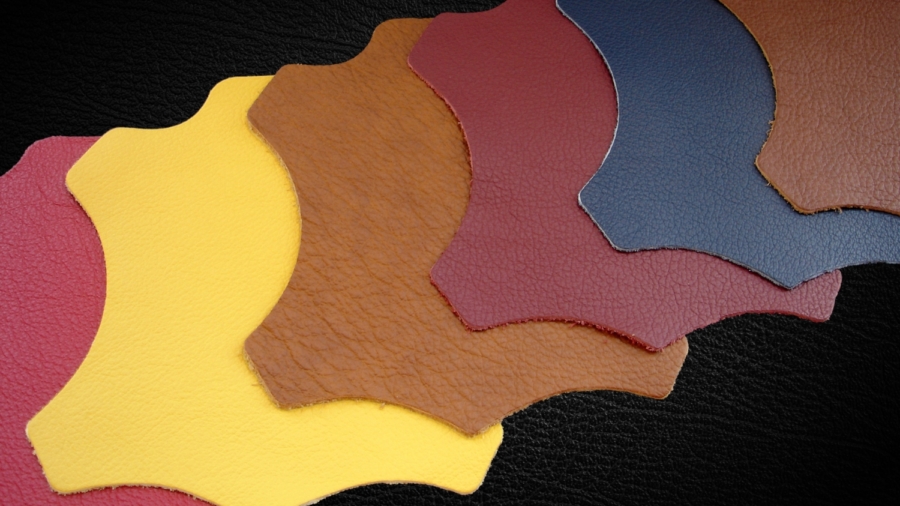
Leather has been a footwear staple for centuries, prized for its durability, natural aesthetics, and premium feel. It’s sourced from animal hides and remains synonymous with quality.

Benefits of Leather

  • Long-lasting and durable
  • Natural comfort and breathability
  • Premium, timeless appeal
  • Ages beautifully with use

Challenges of Leather

  • Higher cost compared to PU
  • Requires regular maintenance
  • Animal welfare concerns
  • Larger environmental footprint in tanning processes

The Changing Market Trends

  • Sustainability: Consumers are increasingly eco-conscious, driving demand for sustainable PU alternatives and ethically sourced leather.
  • Affordability: PU dominates in fast fashion and kids’ categories due to lower cost.
  • Innovation: Bio-based PU and recycled leather are bridging the gap between performance and responsibility.
  • Regional Preferences: Luxury markets still lean towards leather, while emerging markets embrace PU for value and variety.

What This Means for Footwear Brands

The PU vs leather debate is no longer about either/or—it’s about balance. Brands must consider cost, consumer sentiment, and sustainability. Offering both options with transparent communication builds trust and market relevance.


Conclusion

The future of footwear materials lies in innovation and adaptability. PU continues to dominate mass-market demand, while leather holds strong in premium segments. As sustainable alternatives grow, the true winners will be brands that can adapt to changing consumer expectations.


FAQs

Q1: Is PU better than leather?
PU is more affordable and lightweight, while leather is more durable and premium. The choice depends on budget, style, and usage.

Q2: Is PU environmentally friendly?
Traditional PU has environmental challenges, but bio-based and recycled PU are emerging as eco-friendly alternatives.

Q3: Which lasts longer, PU or leather?
Leather generally lasts longer, often years with proper care, while PU tends to have a shorter lifespan.