OEM (Original Equipment Manufacturer) footwear production is at the heart of global footwear exports. Many of the shoes you see in international markets are created through OEM partnerships, where one company designs and another handles production. But how does this process really work?
OEM footwear manufacturing brings together efficiency, expertise, and precision. It allows brands to scale quickly while maintaining design consistency and market relevance. Here’s how the process unfolds:
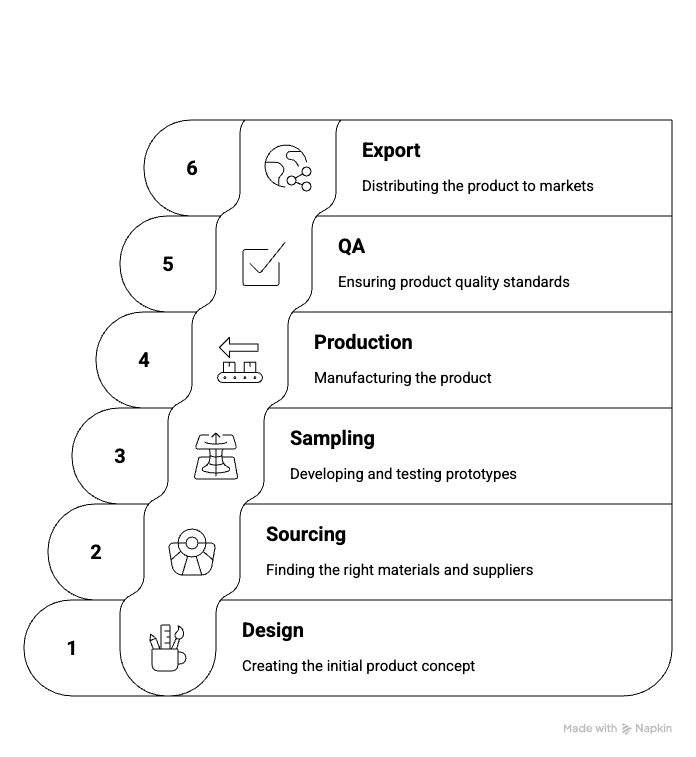
1. Design & Development
The process begins with the client providing design direction, technical specifications, or prototypes. In some cases, factories assist with adjustments for feasibility and cost optimization.
2. Material Sourcing
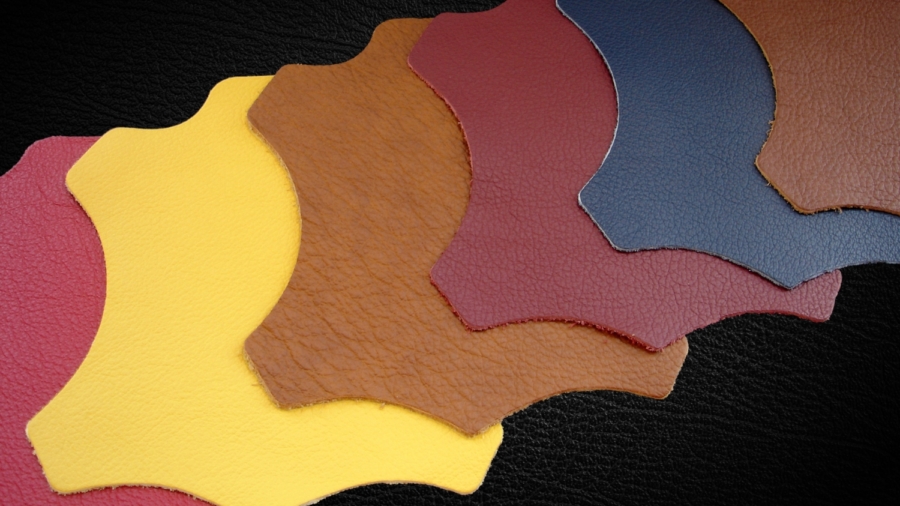
Manufacturers work with trusted vendors to source raw materials—whether leather, PU, textiles, or specialized components. Consistency and compliance with international standards are key.
3. Sampling & Prototyping
Before mass production, samples are created for client approval. This stage ensures alignment with design, quality, and market expectations.
4. Production & Assembly
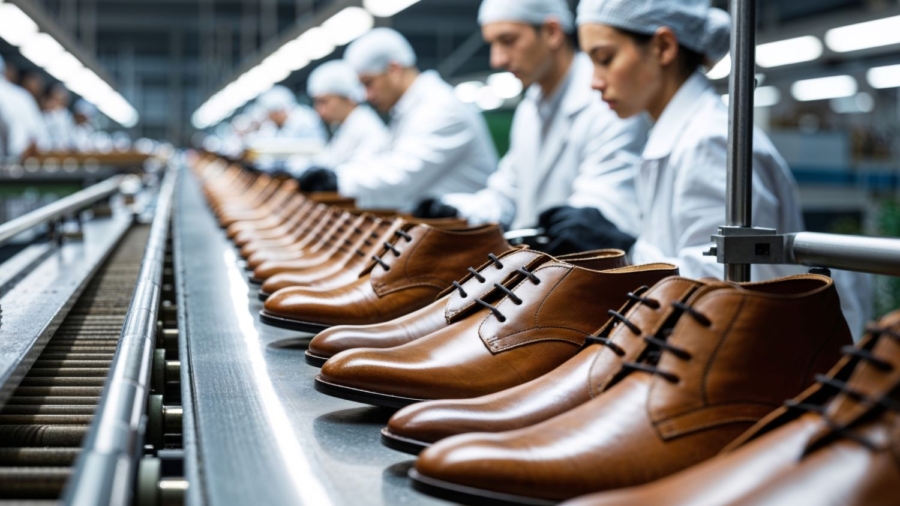
Once samples are approved, manufacturing begins. Skilled workers and modern machinery collaborate to assemble uppers, soles, and finishes according to strict quality control checks.
5. Quality Assurance
OEM partners conduct multi-stage inspections, covering durability, comfort, compliance, and export-grade finishing.
6. Packaging & Export
The final step includes export-ready packaging, labeling, and logistics planning to ensure timely, safe delivery to global markets.
OEM footwear manufacturing works because it balances client vision with execution expertise—bridging global brands and specialized factories with efficiency and scale.